

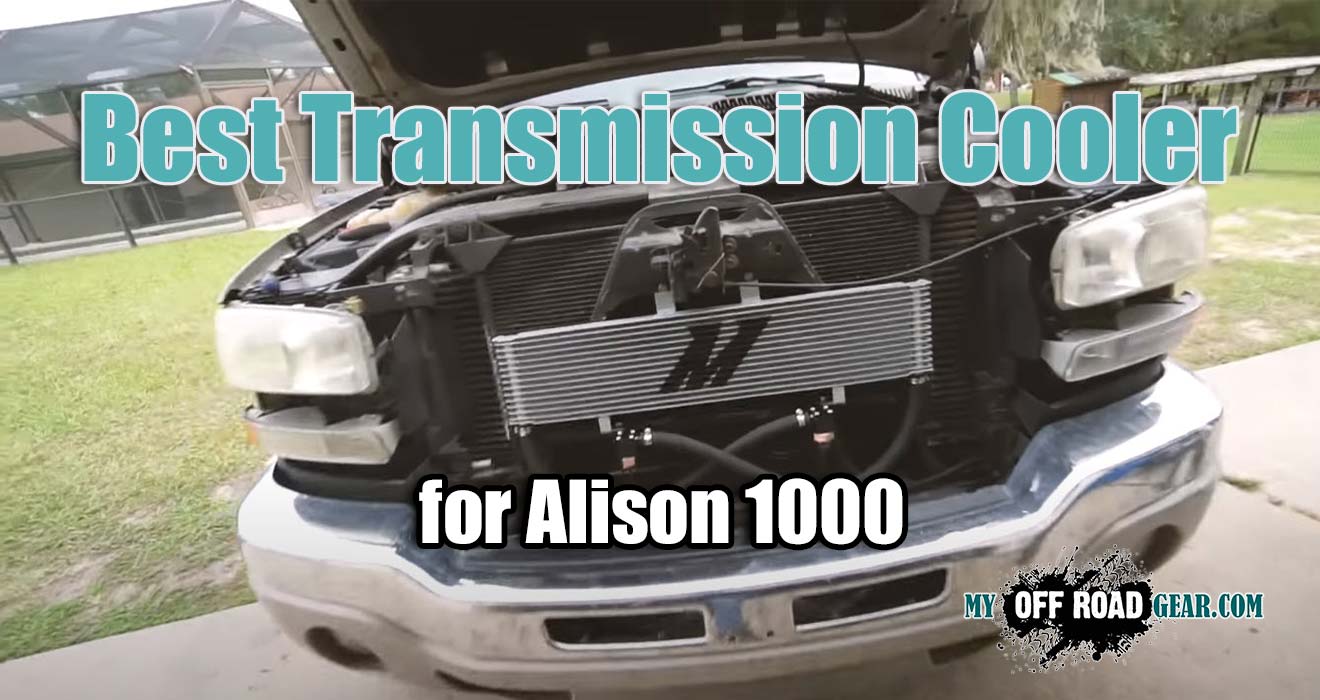

The main idea behind the Best Transmission Oil Cooler for Allison 1000 is that it allows you to play around with the gears and improve the on or off-road experience. However, there’re more functions to the system than that. That is why, when it overheats, some damage may be irreversible, and swapping the transmission is not the easiest and cheapest thing there is. I am sure you know that.
To keep your transmission cool, there is usually ATF at play. However, there are times when ATF fails to preserve the needed temperature, and that is when a quality transmission oil cooler would come in quite handy. Should you be interested in the Best Transmission Oil Cooler for Allison 1000 Duramax – you have come to the right place!
Best Transmission Oil Cooler for Allison 1000
| Product | Short Description |
|---|---|
|
Expert’s Choice
|
|
|
GM Genuine Parts Transmission Fluid Cooler
|
|
|
GM Genuine Parts Transmission Oil Cooler
|
|
|
|
|
Best Transmission Oil Cooler for Allison 1000 Reviews
Mishimoto Transmission Cooler for Allison 1000
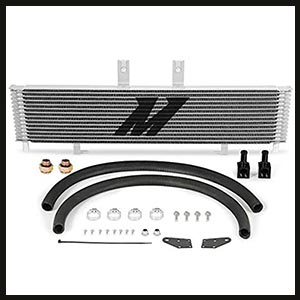
No matter how much you enjoy cruising around in hot, sunny weather, your vehicle may not be that fond of the blazing sun. The fact is that the weather outside combined with the tasks that you put your ride to have a substantial impact on the transmission. Unfortunately, such an influence leads to accessory inevitably overheating, and it is as unpleasant as it sounds.
To help you deal with the potentially arising need to cool the transmission off within short notice, Mishimoto has designed the transmission cooler that is a direct-fit but is larger than the stock option. The core volume, along with the fin surface, is almost 200% greater than the factory option.
While the accessory is a potent and costly investment, the manufacturer ensures that you can install the item in the safety of your own garage with basic tools at hand.
Pick Your Rig!
2001-2003 Check Price →
2003-2005 Check Price →
2006-2010 Check Price →
2011-2014 Check Price →
2014-2018 Check Price →
- Enhanced durability
- Improved core volume
- Increased fin surface
- User-oriented installation
- Pricey transmission upgrade
GM Genuine Parts Transmission Fluid Cooler for Allison
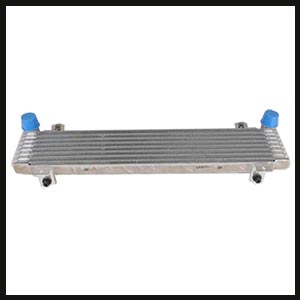
The way you exploit your vehicle affects a range of essential factors that add up to its speedy wear. However, every serious issue comes with a set of potentially effective solutions. If we discuss the transmission system, in particular, you may already know that things may turn the dangerous road once it overheats. To make sure you avoid the situation before it appears, I suggest that you start browsing for an aftermarket transmission cooler right this moment.
If you are interested in a budget option, then an ACDelco GM transmission oil cooler is the one to pay attention to. The option is usually viewed as an upgraded alternative to the stock accessory. However, the primary advantage of sticking with GM is the price policy and the regular updates the manufacturer offers. Besides, the item is designed in such a way that you can install it on your own without paying a visit to the local service.
- Affordable price
- Reliable durability
- Direct-fit
- Simplified installation
- Original design
- Not a premium-quality item
GM Genuine Parts Transmission Oil Cooler for Allison
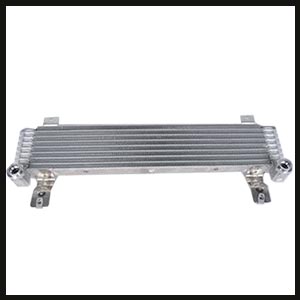
Are you tired of worrying about your vehicle overheating when you choose to take it on an adventure? There are two ways: either postpone the journey or pay close attention to your transmission system. If you are sure that the stock variation may be not up to the task, a transmission oil cooler from ACDelco GM may be a worthy option to consider.
The main peculiarity of the brand is the fact that the aftermarket items they offer are just juicier options than what’s called a stock item. Since these are the transmission oil coolers that we are discussing today. You need to know that the one in question is designed to maintain average operating temperatures no matter the conditions the vehicle is put under.
Aside from the primary function that the accessory is built for, the coolers are also incredibly durable and long-lasting. Besides, you can always rely on GM’s regular updates, which ensure that the operation of your ride gets better with each upgrade.
- Ensures proper temperature operation
- User-friendly installation
- Ensured durability and longevity
- Innovative and reliable design
- Pricier than average
PPE Transmission Fluid Cooler for Allison 1000
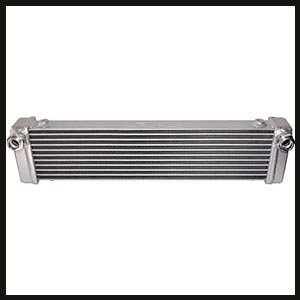
If you are looking for a transmission oil cooler that has been designed and manufactured in the USA, you may have already found it. While the country of origin says a lot about the accessory’s reliability, you need to know some more features the item is packed with.
First things first, it is a direct replacement for your stock option, but it is a lot bulkier than the factory equivalent. This means that you can take your vehicle almost anywhere under any weather conditions and forget about that heat enveloping your ride. In addition, the PPE transmission oil cooler will ensure that the operating temperatures remain suitable for the system to operate correctly.
The item may seem a little heavier than some, but that’s rather an advantage than not. Aside from that, the cooler is made of durable and reliable material that ensures its longevity. Surely, the price may seem a little too high, but the quality that comes along is worth every penny of the investment.
- US-made accessory
- Reliable and trustworthy brand
- Simplified installation
- Enhanced durability
- List item
- Costlier than most
- Vehicle-specific
Choosing the Best Coolers for Allison 1000 – Bayer’s Guide
Selecting the right transmission oil cooler for your Allison 1000 Duramax is a critical decision that can significantly impact the performance and longevity of your vehicle. The Allison 1000 Duramax transmission, renowned for its robustness, demands an equally capable cooling system to ensure optimal operation. In this guide, we’ll delve into the key factors to consider when choosing the best Allison 1000 Duramax transmission oil cooler to make an informed and effective decision.
Compatibility with Allison 1000 Duramax Transmission
Before diving into the plethora of options available, it’s crucial to ensure that the transmission oil cooler is specifically designed for compatibility with the Allison 1000 Duramax. Check the product specifications and confirm that it meets the requirements of your vehicle’s transmission system. A cooler designed specifically for the Allison 1000 Duramax will ensure proper fitment and optimal performance.
Cooler Type
There are various types of transmission oil coolers, each with its own set of advantages. The most common types include tube and fin coolers, plate and fin coolers, and stacked plate coolers. Tube and fin coolers are generally cost-effective, while plate and fin coolers offer improved heat dissipation. Stacked plate coolers, on the other hand, provide a balance of efficiency and compact design. Consider your driving conditions and transmission needs to choose the cooler type that best suits your requirements.
Cooling Capacity
The cooling capacity of the transmission oil cooler is a critical factor in maintaining the ideal operating temperature of the Allison 1000 Duramax transmission. Look for coolers with sufficient cooling capacity to handle the demands of your driving conditions, especially if you frequently tow heavy loads or operate in extreme temperatures. Adequate cooling capacity ensures that the transmission fluid remains within the optimal temperature range, preventing overheating and potential damage.
Material and Construction
The durability of the transmission oil cooler is paramount for long-term reliability. Opt for coolers constructed from high-quality materials such as aluminum or stainless steel, as they offer excellent corrosion resistance and heat dissipation. A sturdy construction ensures that the cooler can withstand the rigors of heavy-duty use, providing peace of mind and extending the lifespan of your transmission system.
Size and Fitment
The size of the transmission oil cooler is a crucial consideration to ensure proper fitment within the available space in your vehicle. Measure the available space for installation and choose a cooler that fits seamlessly without any modifications. Additionally, consider the ease of installation, and if you’re a DIY enthusiast, look for coolers that come with clear instructions and all necessary mounting hardware.
Ease of Installation
Opting for a transmission oil cooler that is easy to install can save you time and potential headaches during the installation process. Some coolers come with pre-drilled mounting brackets or installation kits, simplifying the setup for both seasoned mechanics and those tackling it as a DIY project. Check product reviews and specifications for insights into the installation process.
Brand Reputation and Reviews
Researching the reputation of the brand and reading user reviews can provide valuable insights into the performance and reliability of a specific transmission oil cooler. Choose products from reputable manufacturers with a track record of producing quality cooling systems. User reviews can offer real-world experiences and highlight any potential issues or advantages of a particular cooler.
FAQ: Best Transmission Oil Cooler for Allison 1000
What is a transmission oil cooler?
A transmission oil cooler is a component in a vehicle’s cooling system that helps regulate the temperature of the transmission fluid. It assists in keeping the transmission fluid cool, preventing overheating, and ensuring optimal performance and longevity of the transmission.
Why is a transmission oil cooler important for an Allison 1000 transmission?
The Allison 1000 transmission is a heavy-duty automatic transmission commonly found in trucks, RVs, and other heavy-duty vehicles. Due to the demanding nature of their applications, these transmissions generate a significant amount of heat. A transmission oil cooler is crucial for maintaining proper temperature levels and preventing damage caused by excessive heat.
How do I know if I need a new transmission oil cooler for my Allison 1000?
If you notice signs of transmission overheating, such as slipping gears, erratic shifting, or a burning smell, it could indicate a problem with your transmission oil cooler. Additionally, if you’re planning to tow heavy loads or regularly operate your vehicle under high-stress conditions, upgrading to a more efficient transmission oil cooler is advisable.
What features should I look for in the best transmission oil cooler for an Allison 1000?
When selecting a transmission oil cooler, consider the following features:
Cooling capacity: Look for a cooler with a high cooling capacity to ensure efficient heat dissipation.
Construction and durability: Opt for a cooler made from high-quality materials that can withstand the rigors of heavy-duty use and resist corrosion.
Size and fitment: Ensure that the oil cooler is specifically designed to fit the Allison 1000 transmission and easily integrates into your vehicle’s existing cooling system.
Ease of installation: Choose a cooler that comes with clear instructions and necessary mounting hardware for straightforward installation.
Warranty: Check for a product that offers a warranty to safeguard your purchase and provide peace of mind.
Are there any recommended transmission oil coolers for the Allison 1000?
While specific brand recommendations may vary, several reputable manufacturers produce transmission oil coolers suitable for the Allison 1000 transmission. Some popular options include:
- Mishimoto Transmission Coolers
- Derale Transmission Coolers
- B&M SuperCoolers
- Hayden Automotive Transmission Coolers
Can I install a transmission oil cooler myself, or should I seek professional help?
If you have experience with automotive installations and feel confident in your abilities, you can install a transmission oil cooler yourself using the provided instructions. However, if you’re unsure or uncomfortable with the process, it’s recommended to consult a professional mechanic or technician who specializes in transmission work to ensure proper installation and avoid potential complications.
How much does a transmission oil cooler for an Allison 1000 typically cost?
The cost of a transmission oil cooler can vary depending on factors such as brand, size, features, and retailer. On average, you can expect to spend anywhere from $50 to $300 for a quality transmission oil cooler for an Allison 1000.
Can a transmission oil cooler improve the performance and lifespan of my Allison 1000 transmission?
Yes, a properly functioning and efficient transmission oil cooler can significantly improve the performance and lifespan of your Allison 1000 transmission. By keeping the transmission fluid at the ideal operating temperature, it helps prevent overheating-related issues, reduces wear and tear on internal components, and promotes smoother shifting and overall transmission efficiency.
Remember, it’s essential to select a transmission oil cooler that meets the specific requirements of your vehicle, including compatibility with the Allison 1000 transmission. If you have any doubts or questions, consult with experts or professionals in the field for personalized advice.
The EndLine
To sum up, it’s safe to say that some transmission oil coolers vary depending upon the list of features they come equipped with. However, for the most part, all the mentioned above options are good enough to save your transmission from overheating. No matter the Towing Load that your vehicle is under, a quality transmission oil cooler can save you a lot more. The lifespan and the capacity of each described item will pay off in a matter of weeks.
Add Comment